Creating living fences with native plants to protect natural habitats and farmlands.
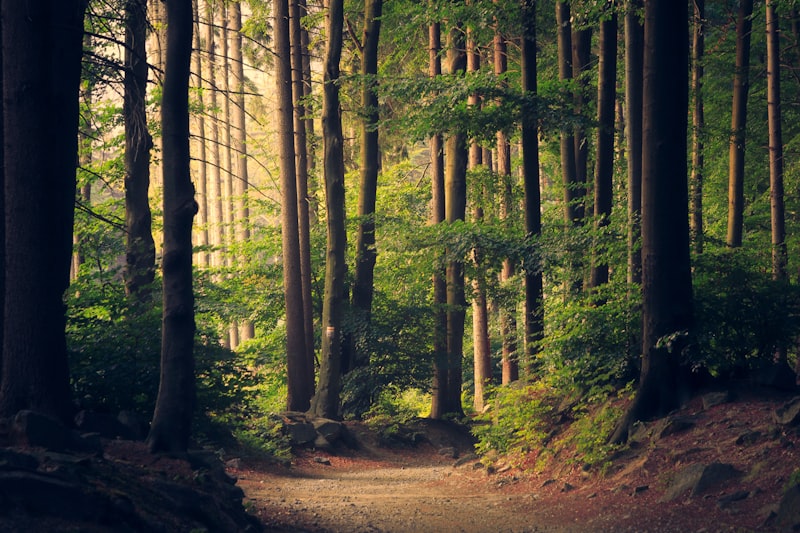
Traditional fencing using concrete, metal, or synthetic materials is expensive, unsustainable, and harmful to the environment. Bio fencing replaces these with living barriers made of native thorny plants and trees that serve as natural fences.
Our Bio Fencing project promotes the use of native species like Gliricidia, Euphorbia, and other thorny plants to create living fences that protect farmlands from stray animals, prevent soil erosion, and provide habitat for birds and insects.
Install 100 km of bio fencing across Kerala's agricultural lands.
Create micro-habitats for birds, insects, and small animals along fence lines.
Protect 500+ farms from stray animal damage using natural barriers.
Prevent soil erosion through root systems of bio fence plants.
Train 2,000+ farmers in bio fencing techniques and plant maintenance.
Replace synthetic fencing materials with sustainable, carbon-absorbing alternatives.
Set up native plant nurseries, select appropriate species, and plan fence layouts with farmers.
Plant native species in strategic patterns to create dense, impenetrable living fences.
Provide training on pruning, maintenance, and propagation to participating farmers.
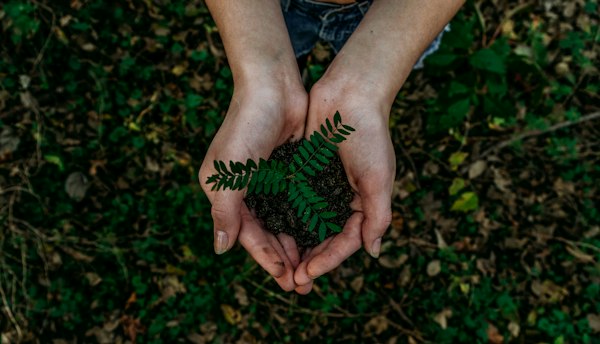

Selecting and propagating native plant species ideal for bio fencing in different soil and climate conditions.
Managing plantation drives and farmer training programs across multiple districts in Kerala.
Educating farmers on sustainable bio fencing techniques and long-term maintenance practices.
